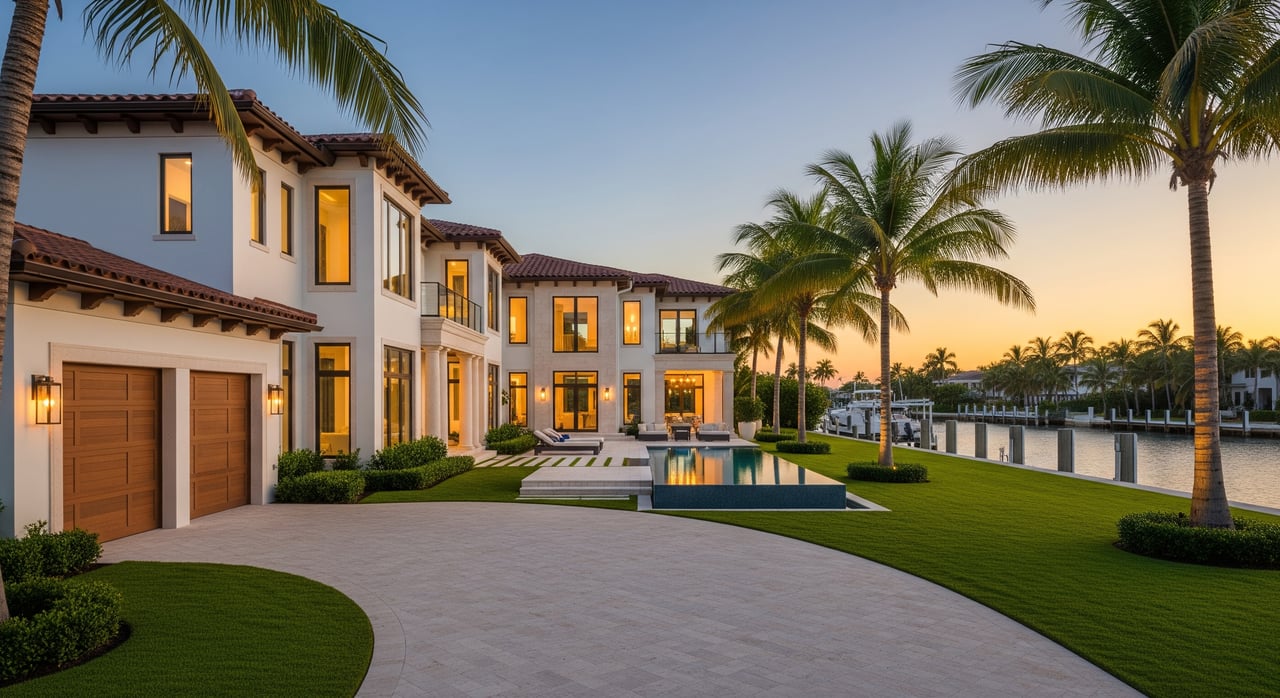
Coconut Grove Price Per Square Foot for Luxury Homes
December 4, 2025
December 4, 2025
Are you comparing Coconut Grove homes by price per square foot and getting wildly different answers? You are not alone. In the Grove, small shifts in location, water access, and lot size can swing values more than most neighborhoods. This guide shows you how to use price per square foot the right way so you can price confidently or write a smarter offer. Let’s dive in.
Price per square foot, or PPSF, is the sale price divided by the home’s living area. Use the above‑grade, air‑conditioned living area from official records. Do not include garages, covered patios, or unpermitted additions unless they are counted in the gross living area. Think of PPSF as a snapshot metric that helps narrow a value range, not the final answer.
Coconut Grove is a collection of micro‑markets. Waterfront and interior homes attract different buyers and command different premiums. North Grove and South Grove have distinct pockets and amenities. Lot sizes, architectural styles, and historic constraints vary block to block. Because of this, you should always define the sub‑area when you cite PPSF and separate waterfront from interior sales.
The Grove is commonly split into North Grove and South Grove segments. Exact boundaries vary by source, so use consistent neighborhood polygons from your MLS or the City of Miami. North Grove includes areas closer to downtown corridors, while South Grove includes more southerly residential pockets. Walkability to Main Hwy or CocoWalk, proximity to parks, and commuter access near US‑1 can create small but real PPSF differences within short distances.
Waterfront is the single largest value driver in Coconut Grove. Bayfront, canal, or lagoon access, along with private docks, changes both the buyer pool and the pricing framework. Always separate waterfront comps from interior comps. When you need to compare across them, show both PPSF and total price, and consider land‑driven metrics like price per lot square foot. Waterfront premiums vary by water type, navigational access, and dock size and condition.
Bigger lots often mean lower PPSF on the building but higher overall price because land value dominates. Zoning and allowable density influence whether you can expand or rebuild at a larger footprint. Group comps by similar lot size bands or add notes about buildability so PPSF is not misleading.
A thoughtfully renovated or contemporary custom home can sell at a higher PPSF than an original bungalow of the same size. Compare homes with similar style, finish level, and layout. Verify that major renovations were permitted. Unpermitted work can reduce marketability and effective PPSF.
A private dock adds discrete value that does not always translate cleanly into PPSF. Note dock length, permit status, water depth, and any navigation restrictions. If you boat, confirm whether the slip suits your vessel size. Treat dock value as a line item during analysis rather than blending it into PPSF alone.
Open bay and skyline views typically command a premium over canal or no‑view properties. Privacy, landscaping, and sun exposure also influence buyer preference. If possible, separate comps by view category and use PPSF as a guide within each view tier.
Flood zone designation affects carrying costs and some lenders’ requirements. Homes in higher‑risk zones can face higher insurance premiums, which may reduce the buyer pool and impact PPSF. Review FEMA flood maps, local elevation data, and updated insurance quotes when comparing two similar homes with different risk profiles.
A smaller home on a lot that allows a larger rebuild can trade with a land premium. Buyers and developers pay for potential. Note allowable height, floor area, and any historic or conservation overlays that could limit or shape future changes. These details can raise the land component of value and shift how you interpret PPSF.
PPSF can move quickly with shifts in supply, demand, and interest rates. Always state the timeframe and sample size for your comps. In a low‑inventory window, top‑tier homes can reset local PPSF within weeks. In a softer period, outliers may sit and skew the averages.
If you are preparing to list, a concierge approach can enhance your final PPSF. Staging, targeted pre‑market exposure, and a strategic launch can widen your buyer pool and protect your pricing power.
Use this simple worksheet when you review comps:
For current PPSF and clean comps, start with your MLS using Coconut Grove neighborhood polygons for consistency. Confirm living area and lot size with Miami‑Dade County Property Appraiser records. Verify permits with the City of Miami’s Building Department and Historic Preservation offices. Review FEMA flood maps or local elevation tools for flood risk. When sample sizes are small, consult a local appraiser or an agent who regularly works the Grove for context on docks, view premiums, or redevelopment value.
In Coconut Grove, PPSF is a helpful diagnostic when you compare true peers by sub‑area, waterfront status, lot size, and condition. Use it alongside land value, replacement cost, and current inventory to set strategy. With clear comps and a disciplined process, you can price with confidence or negotiate from a position of strength.
Ready to talk specifics for your block and property type? Hablamos español. For tailored guidance, concierge preparation, and data‑driven pricing, connect with Melva Garcia for a private consultation.
July 23, 2026
July 16, 2026
July 9, 2026
July 2, 2026
June 25, 2026
June 18, 2026
June 11, 2026
June 4, 2026
May 28, 2026
With years of combined knowledge in every aspect of the real estate industry – from negotiation and financing to selling and purchasing – Melva Garcia works to make the sale or purchase transaction a seamless and smooth experience.

MELVA GARCIA
[email protected]
(305) 491-4437
2550 S Bayshore Drive #106 Coconut Grove FL 33133 1515 Sunset Drive Suite 40 Miami FL 33143