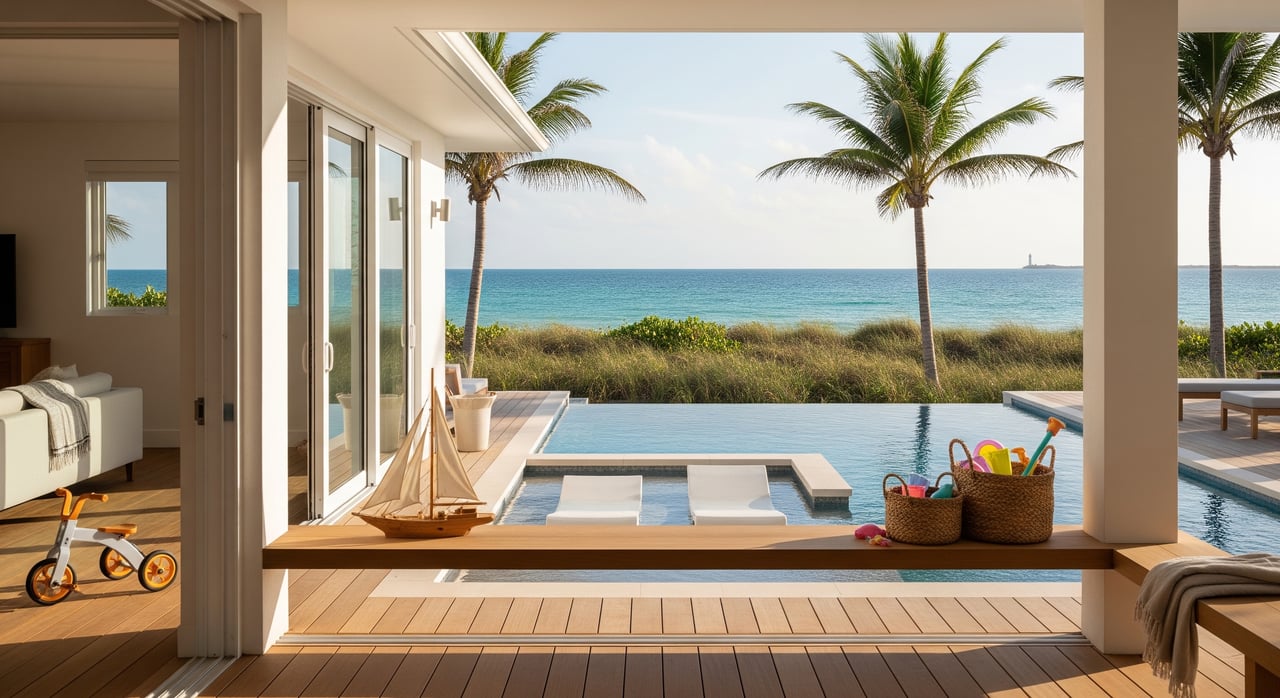
Living in Key Biscayne With Kids: Essential Things to Know
February 5, 2026
February 5, 2026
Thinking about raising kids on an island where you can bike to the beach and still reach Brickell for work? Key Biscayne gives you that blend of coastal calm and city access. If you want strong everyday conveniences, kid-friendly activities and a clear picture of costs and logistics, you’re in the right place. Below, you’ll find what to expect across schools, parks, housing, commuting, insurance and daily life so you can decide with confidence. Let’s dive in.
Key Biscayne is a small, residential island with a close-knit feel and easy access to beaches, parks and calm bay waters. You get year-round outdoor fun coupled with a quieter pace than central Miami neighborhoods. Many families love the island’s walkability for local errands, sports and playdates.
The tradeoff is cost and inventory. Housing tends to be more expensive than many mainland areas, and single-family homes are limited. You’ll also rely on one main access route to the mainland, which can affect school and work routines.
Public school options on the island are part of Miami-Dade County Public Schools. There is a local K–8 campus that serves many families living on Key Biscayne. For high school, students typically attend designated mainland schools or apply to selective magnet programs in greater Miami. Always confirm attendance boundaries and current school performance through official district and state sources.
Private and independent schools are common choices too. Many are in nearby Coconut Grove, Coral Gables and Brickell. Daily logistics matter here, so map commute times, bus options and carpool routes before you enroll.
For early childhood care, you’ll find preschools and daycare options on the island, but slots can be limited. Start outreach early, ask about waitlists and tour programs to understand hours, curricula and summer coverage.
Extracurriculars range from youth sports and swim to sailing, tennis, music and arts. Village recreation and private providers offer year-round programs, with summer camps that fill quickly. Put registration dates on your calendar and join local parent groups for timely sign-up tips.
You’ll have two major parks at your fingertips. Crandon Park on the north side offers a beach, nature center, tennis facilities, playgrounds, picnic areas and calm-water activities like kayaking and paddleboarding. Bill Baggs Cape Florida State Park at the southern tip features the historic lighthouse, walking trails, sheltered beaches and picnic pavilions.
Park hours, entry fees and pavilion reservations can change by season. Check current rules before weekend outings and arrive early on busy days. On the island, the community center and local programs host youth leagues, fitness classes and holiday events that make it easy to plug in.
Condominiums make up a large share of Key Biscayne housing. For families, condos can be attractive for maintenance-free living, on-site pools, security and fitness centers. Single-family homes exist but are fewer, often on limited lots and may trade at a premium.
If you’re buying with kids, focus on layout, storage and daily flow. Ask about stroller-friendly access, bike storage, elevator capacity and play areas. Review condo association rules for pets, rentals and amenities hours, and budget for monthly association fees that cover building insurance and shared services.
When comparing homes, consider flood zone and building age. Wind mitigation features like shutters or reinforced roofs can help with insurance. If you want private outdoor space for play, understand that houses and townhomes are limited, so be ready for fewer options and faster decisions.
The Rickenbacker Causeway is your main link to downtown, Brickell, Coconut Grove and Coral Gables. Commute times rise during peak hours, special events and weekends when park traffic is heavy. Many families use flexible schedules, remote days or staggered drop-offs to avoid the worst congestion.
Public transit is limited compared with mainland neighborhoods. Private school buses and carpools are common solutions. On-island, biking and walking are popular for school, sports and errands, so look at sidewalk routes and safe crossings near your home.
If you plan to own multiple cars or a boat, confirm parking, guest policies and any trailer restrictions. Assigned spaces vary by building, and marina slips or storage may be limited.
Island living means planning for hurricane season. Know your evacuation route, build an emergency kit and ask schools and childcare providers about continuity plans. Flood zones and base flood elevations matter for mortgages and insurance, especially if your home sits in a high-risk area.
Expect coastal insurance to be a bigger line item. Home policies often separate windstorm coverage, and flood insurance may be required by your lender. Ask for quotes early, and request wind mitigation inspections. Generators and backup power plans can be helpful for families who rely on power for medical devices.
For healthcare, you’ll use pediatricians and hospitals on the mainland in nearby neighborhoods. Time your routes during normal and peak traffic so you know what to expect for regular visits and urgent needs.
Budget for the full picture of island life. Build a simple worksheet with the following line items:
Picture a weekday: bike or stroll to school drop-off, then a quick drive over the causeway to Brickell. After work, you’re back on-island for a tennis lesson or youth soccer. Dinner is a picnic at the beach while the kids splash at the shoreline.
On weekends, mornings start at Crandon Park with playground time or a paddle on calm bay waters. Afternoons shift to the state park for a lighthouse visit and shaded trails. Evenings are for community events or a low-key get-together with neighbors.
Pros
Considerations
If you want a local, data-informed guide to help you compare condo towers and the limited single-family options, navigate financing and plan a smooth move, connect with Melva Garcia. Melva pairs 20-plus years of Miami-Dade experience with mortgage fluency, Compass tools like Concierge and Bridge Loan, and white-glove coordination so your family can move with confidence.
August 20, 2026
August 13, 2026
August 6, 2026
August 6, 2026
July 23, 2026
July 16, 2026
July 9, 2026
July 2, 2026
June 25, 2026
With years of combined knowledge in every aspect of the real estate industry – from negotiation and financing to selling and purchasing – Melva Garcia works to make the sale or purchase transaction a seamless and smooth experience.

MELVA GARCIA
[email protected]
(305) 491-4437
2550 S Bayshore Drive #106 Coconut Grove FL 33133 1515 Sunset Drive Suite 40 Miami FL 33143