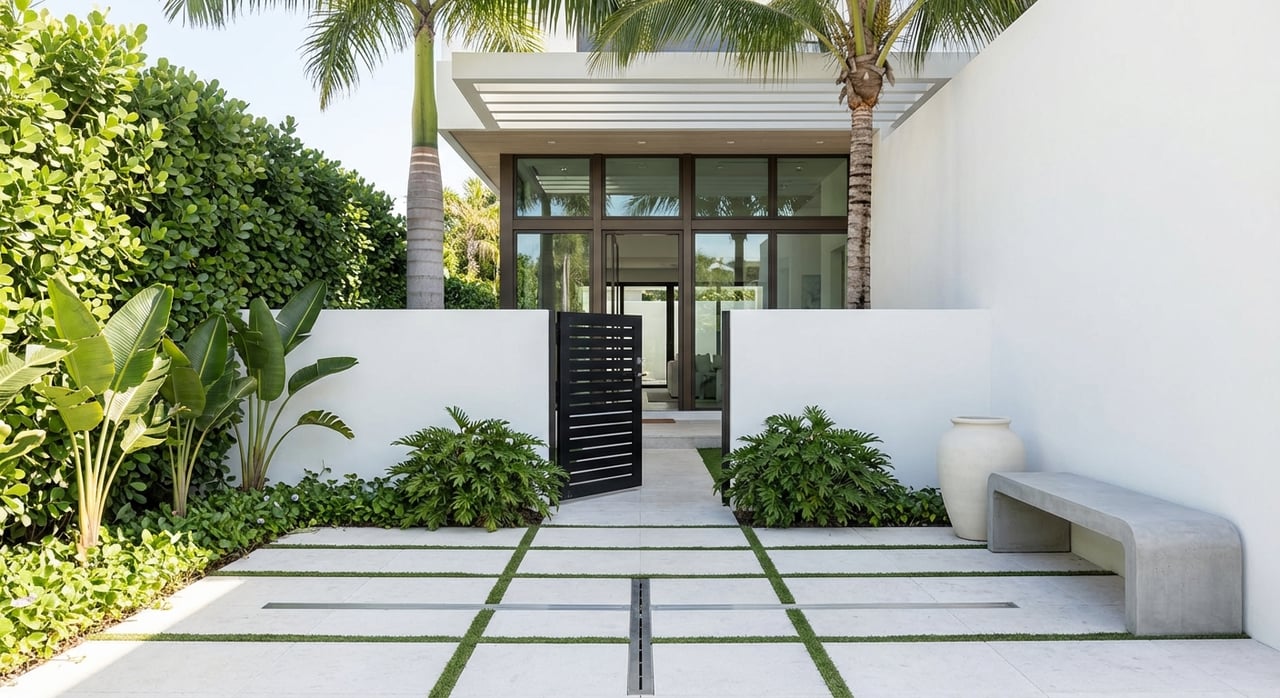
Miami Beach Full Time Living: A Practical Buyer’s Guide
February 19, 2026
February 19, 2026
If you have ever visited Miami Beach and thought, “I could live here,” you are not alone. Turning a favorite getaway into your full-time address takes more than picking a view, though. You need clear insight on neighborhoods, building rules, flood and insurance, and daily-life details that matter year-round. This guide gives you a practical roadmap to make smart choices before you buy. Let’s dive in.
South of Fifth sits at the southern tip of the island and is known for luxury towers, marinas, and South Pointe Park. Full-time life feels very walkable with restaurants, small markets, and strong concierge services in many buildings. You also sit near South Beach’s busiest corridors, so noise and visitor traffic can vary by block. For an overview of the neighborhood character, review the profile of South of Fifth.
Mid-Beach blends destination hotels like the Fontainebleau with growing residential options and notable Miami Modern architecture. Daily life here often feels calmer than South Beach after hours, with good beach access and a mix of services that change block by block. If you enjoy design history, the city’s guide to MiMo architecture shows why mid-century buildings stand out here. Expect a hybrid vibe with both resort energy and residential pockets.
North Beach is the least touristy section of the island, with broad beaches, large parks, and many low-rise condos and single-family streets. Daily life centers on local shops, parks, community venues like the Bandshell, and a slower pace. Commutes to mainland job centers run longer, though local trolley lines help with island connections. Learn more about the area’s feel and parks through this North Beach overview.
Public schools are operated by Miami-Dade County Public Schools. Families often check address-level assignments before they buy. You can review local school sites such as Fienberg-Fisher K-8 and Miami Beach South Pointe Elementary for the SoFi area to understand programs and logistics. Private options and preschools exist across the island; capacity and tuition vary.
Miami Beach enforces a noise standard with an overnight enforcement window that can affect life close to Ocean Drive and Collins Avenue. The city uses a practical “plainly audible at 100 feet” test during night hours, and activity ramps up around events and busy weekends. Before you commit, visit the block late at night and on a weekend. You can also review the city’s noise and events guidance for context.
If you plan to rent your home at times, read the city rules closely. Miami Beach requires a Certificate of Use, a Business Tax Receipt, and proof your association allows short-term rentals for your specific unit. Many residential zones prohibit STRs, and illegal rentals face fines. Start with the city’s short-term rental requirements and use the city’s Practice Safe Renting lookup to verify a property’s status. Always get permissions in writing from both the city and your association.
After Surfside, Florida passed new rules that changed how condos are inspected and funded. Buildings 3 stories or more must complete structural milestone inspections and conduct Structural Integrity Reserve Studies. Associations must fund reserves for covered items, which has led many boards to adjust fees or levy assessments. Read the state’s condo FAQs on SIRS and milestones and the law’s text for SB 4-D to understand the framework before you buy.
What it means for you: request the association’s latest SIRS and milestone reports, current budget, recent meeting minutes, the master insurance policy, and any pending special assessment notices. Fee changes can be material, so build a cushion in your monthly cost plan. If you need a second set of eyes, engage counsel or a trusted adviser to review documents with you.
Miami Beach is a low barrier island that has seen more nuisance flooding during king tides and storm events. The city has added pumps, raised streets in select areas, and updated its resiliency code, but risks and requirements still vary block by block. Before you write an offer, check FEMA flood maps for the property, ask about local road projects, and get an insurance estimate. For background on sea-level planning and design flood elevations in Miami Beach, see this peer-reviewed overview.
One data point to note: about 40.9% of Miami Beach housing units are owner-occupied, which reflects a strong rental presence across the city. Understanding where owner occupancy is higher can help you target buildings or blocks with more long-term neighbors. You can confirm this context in the U.S. Census QuickFacts for Miami Beach.
Before you submit an offer, request and review:
Ready to make Miami Beach home? Get trusted, concierge-level guidance on neighborhoods, building due diligence, and financing strategy. Connect with Melva Garcia to Request a Concierge Consultation. Hablamos español.
October 22, 2026
October 22, 2026
October 15, 2026
October 8, 2026

October 1, 2026
September 24, 2026
September 17, 2026

September 10, 2026
August 27, 2026
With years of combined knowledge in every aspect of the real estate industry – from negotiation and financing to selling and purchasing – Melva Garcia works to make the sale or purchase transaction a seamless and smooth experience.

MELVA GARCIA
[email protected]
(305) 491-4437
2550 S Bayshore Drive #106 Coconut Grove FL 33133 1515 Sunset Drive Suite 40 Miami FL 33143