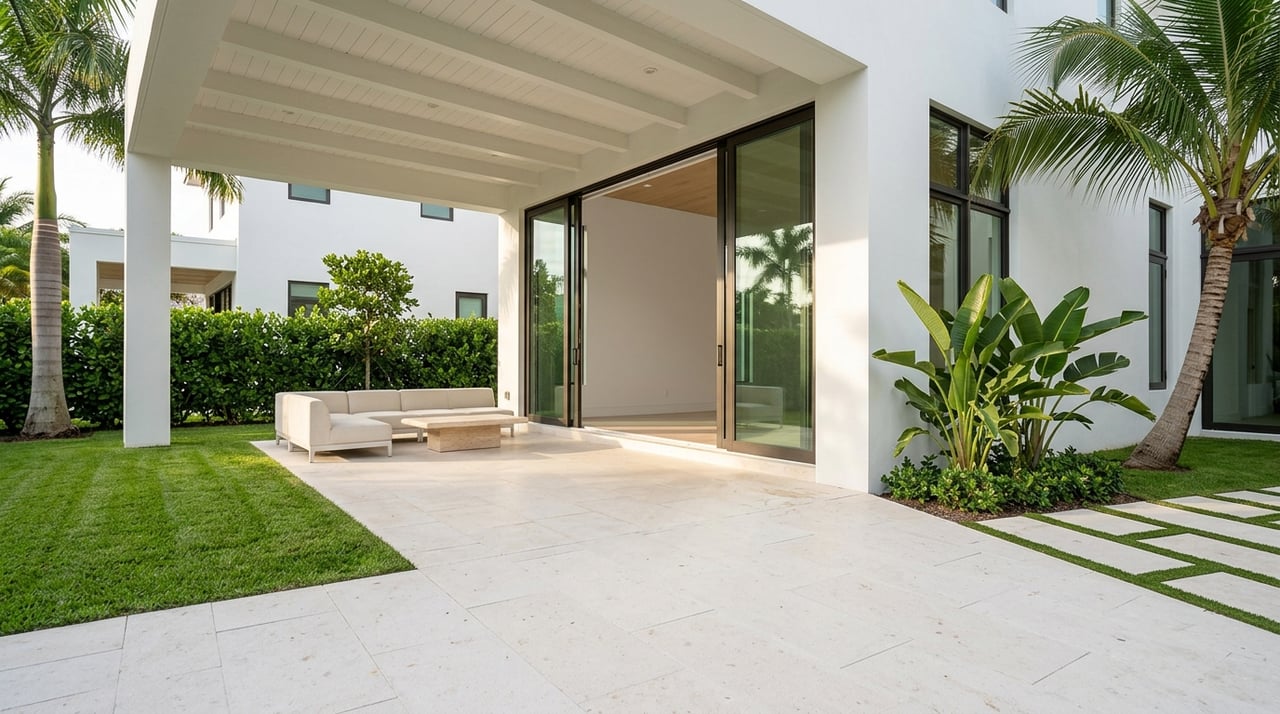
Living in Miami Beach: What to Expect Day to Day
June 11, 2026
June 11, 2026
Thinking about living in Miami Beach? It can look like an endless vacation from the outside, but day-to-day life here is more layered than palm trees, ocean views, and weekend brunch. If you are considering a move, it helps to understand how Miami Beach really works, from housing costs and transportation to seasonality and flood preparedness. Let’s dive in.
Miami Beach is a compact coastal city with an estimated 81,594 residents in 2025, spread across just 7.69 square miles of land. That works out to about 10,774.7 people per square mile, so life here often feels dense, active, and urban rather than suburban.
The city is also notably international. Census data shows 52.9% of residents are foreign-born, 52.5% identify as Hispanic or Latino, and 64.5% of people age 5 and older speak a language other than English at home. If you value a multilingual, globally connected environment, that is a real part of daily life in Miami Beach.
The age mix is broader than some buyers expect. About 18.8% of residents are 65 and older, while 15.1% are under 18, which points to a city that includes both longtime residents and younger households. In other words, Miami Beach is not just a visitor destination. It is a real, lived-in city with a wide mix of residents.
The city officially organizes Miami Beach into North Beach, Mid Beach, South Beach, and the Art Deco Cultural District. Those labels matter because the feel of daily life can shift quickly depending on where you live.
South Beach is the area most people know first. It is closely tied to the city’s Art Deco identity and tends to be the most iconic and visitor-facing part of Miami Beach. If you live there, you are likely to feel the energy, movement, and visibility of one of South Florida’s best-known destinations.
North Beach has a different identity, shaped in part by MiMo architecture and ongoing redevelopment. Mid Beach sits in the middle of the island’s rhythm, with a location that can appeal to people who want beach access and a strong Miami Beach address without being in the center of the most recognizable tourism zones.
One of the biggest takeaways is this: Miami Beach is highly block-by-block. Your daily experience can change based on building type, street activity, access to parking, and how close you are to major visitor areas. That is why local guidance matters when you are narrowing your search.
If you are comparing Miami Beach to other parts of Miami-Dade, the housing profile stands out right away. The owner-occupied housing rate is 40.9%, the median value of owner-occupied homes is $556,700, and the median gross rent is $1,826.
Ownership costs are an important part of the picture. Median monthly owner costs are $3,256 with a mortgage, while median household income is $72,856. Those numbers suggest that for many buyers, the true question is not just purchase price. It is whether the full monthly carrying cost fits your long-term plans.
Average household size is 1.95 people, which helps explain why Miami Beach often feels more vertical and compact than a traditional neighborhood of larger single-family homes. In practical terms, the housing mix is better understood as a blend of condo towers, mid-rise apartment buildings, older historic buildings, and smaller single-family pockets.
That mix creates real tradeoffs. A condo may offer convenience and location, while another property type may offer a different level of privacy or space. In Miami Beach, where you live and how you live are closely connected.
One of the most appealing parts of living in Miami Beach is that you may not need to rely on your car the same way you would in many other parts of South Florida. The city promotes the Beachwalk, a continuous beachfront promenade that runs the full length of the island and supports walking, jogging, biking, and everyday movement.
The free citywide trolley is another major quality-of-life feature. It runs 15 hours a day, 7 days a week, about every 20 minutes, and serves four routes:
The city also notes bike rentals at marked kiosks throughout the island. If your routine stays mostly on the beach side of the causeways, Miami Beach can support a more walkable, car-light lifestyle than many people expect.
Even in a more walkable setting, parking is a real part of the Miami Beach experience. The city’s Parking Department manages 66 surface parking lots, 12 garages, and 19 residential parking permit zones.
For registered residents, there is a discounted $1-per-hour parking rate, which can make a meaningful difference if you drive regularly. Still, parking is not an afterthought here. It is one of the systems that helps define how the city functions every day.
Miami Beach also feels more structured than casual in the way local services are organized. Residents may need to set up utility accounts, follow neighborhood-specific garbage schedules, comply with mandatory recycling, and use the city’s six free on-call bulk waste pickups per year. That may sound small, but it reflects an important truth: Miami Beach runs like a well-managed coastal city, not a loose beach town.
Many buyers imagine beach living as carefree and flexible. In Miami Beach, public space is beautiful, but it is also actively managed.
The city says alcohol and smoking are always prohibited on city beaches. It has also implemented restrictions during busy periods, including limits at certain Ocean Drive beach entrances and rules around items such as coolers, glass containers, tents, tables, and amplified music without a permit.
That matters if you plan to make the beach part of your routine. The upside is that public spaces are monitored and regulated. The tradeoff is that beach life here follows clear rules, especially during high-traffic times.
Miami Beach is warm year-round, and that is a big part of its appeal. NOAA climate normals show an annual mean temperature of 76.1°F, with an average of 67.4°F in January and 83.1°F in August.
Rain is part of the story too. The area averages 57.18 inches of rain annually, and the wettest stretch is late summer into early fall. September averages 8.45 inches, June averages 7.76 inches, and August averages 7.51 inches.
In simple terms, the months that feel hottest also tend to feel wettest and most humid. If you are moving from a drier climate or a more traditional four-season market, that adjustment is worth thinking through before you buy.
One of the most important realities of living in Miami Beach is seasonality. Winter brings the kind of mild weather that attracts visitors from around the world, and that demand can change how the city feels from one part of the year to another.
March is a clear example. The City of Miami Beach identifies it as a high-impact period that can bring extra traffic, public safety measures, staffing changes, parking measures, and even temporary restrictions. In March 2026, the city added elevated parking rates, temporary restrictions, and an enhanced trolley schedule.
If you are considering Miami Beach as your primary home, this is not a reason to avoid it. It is simply part of the lifestyle. Some residents love the energy of peak season, while others prefer to choose their location carefully based on how close they want to be to the busiest corridors.
The biggest lifestyle tradeoff in Miami Beach is coastal risk. Miami-Dade County says hurricane season runs from June 1 through November 30, and that timeline is a practical part of homeownership and even renting in this market.
Miami Beach also notes that its low elevation near sea level can create drainage challenges and flooding from heavy rain, high tides, and storm surge. According to the city, 93% of buildings are in the Special Flood Hazard Area under current FEMA maps. That means flood insurance is required for federally backed mortgages and recommended for all properties.
The city even operates a King Tide Flood Relief Parking Program in areas that experience street flooding during high tides. This is one of the clearest signs that Miami Beach is both a resort destination and a working coastal city. If you plan to live here, flood awareness, insurance review, and building-by-building due diligence should be part of your decision-making.
Miami Beach can be a strong fit if you want an urban coastal lifestyle with walkability, beach access, and a globally connected population. It may also appeal to buyers who value condos, lock-and-leave convenience, or a more active streetscape than a traditional suburban layout offers.
It may be less ideal if you want a large-lot, car-dependent lifestyle with fewer seasonal shifts in traffic and visitor activity. The right fit often comes down to your tolerance for density, your parking needs, your budget, and how comfortable you are with the realities of living in a flood-aware coastal market.
For many people, the question is not whether Miami Beach is beautiful. It is whether the day-to-day structure of life here matches how you actually want to live.
Living in Miami Beach can be exciting, convenient, and deeply rewarding if you know what you are signing up for. You get warm weather, strong walkability in many areas, city-managed transportation options, and a setting that feels distinctly international.
At the same time, you need to be realistic about housing costs, parking, seasonal crowd patterns, and coastal conditions. The best move is to look past the postcard version of Miami Beach and focus on the specific building, block, and daily routine that fit your goals.
If you are weighing Miami Beach against other Miami-Dade neighborhoods, or want help matching lifestyle priorities with the right property type, Melva Garcia can guide you with local insight, financing fluency, and concierge-level support.
October 22, 2026
October 22, 2026
October 15, 2026

October 8, 2026

October 1, 2026
September 24, 2026
September 17, 2026

September 10, 2026
August 27, 2026
With years of combined knowledge in every aspect of the real estate industry – from negotiation and financing to selling and purchasing – Melva Garcia works to make the sale or purchase transaction a seamless and smooth experience.

MELVA GARCIA
[email protected]
(305) 491-4437
2550 S Bayshore Drive #106 Coconut Grove FL 33133 1515 Sunset Drive Suite 40 Miami FL 33143