Coconut Grove Lifestyle Guide for a Perfect Weekend
July 23, 2026
July 23, 2026
Picture a Miami weekend where you do not have to choose between leafy streets and bay views. In Coconut Grove, you can start your morning under a canopy of trees, spend the afternoon near marinas and shoreline parks, and end the day with dinner by the water. If you are curious about the lifestyle that draws both longtime locals and new buyers to the Grove, this guide will show you how a perfect weekend can unfold. Let’s dive in.
Coconut Grove is often described as Miami’s oldest neighborhood, and that history still shapes how the area feels today. You notice it in the mature trees, the lower-rise village character, and the easy connection to Biscayne Bay.
What makes the Grove stand out is the mix of waterfront access, walkable social spots, and historic character. The City of Miami’s waterfront planning for the area includes Peacock Park, Dinner Key, Kennedy Park, sailing facilities, mooring fields, and other boat-oriented spaces, which helps explain why life here naturally moves between land and sea.
A Coconut Grove weekend often begins outdoors. Even if you are not stepping onto a boat, the bay is part of the experience from the moment you arrive.
The Barnacle Historic State Park is one of the easiest places to understand the Grove’s identity in a single stop. Florida State Parks says the home was built in 1891 and is the oldest house in Miami-Dade County still standing in its original location.
Set right on Biscayne Bay, the park gives you shade, open lawn, and sailboat views in one setting. It is a simple, peaceful way to begin the day, especially if you want a weekend pace that feels relaxed instead of rushed.
Peacock Park adds a more active waterfront feel to the morning. The City of Miami describes it as a 9.4-acre waterfront urban park with direct access to the Intracoastal Waterway.
Recent city work has included shoreline stabilization and a kayak launch, which shows how much the waterfront here is meant to be used, not just admired. It is a good reminder that in Coconut Grove, public space and bay access go hand in hand.
Coconut Grove has a strong boat culture, but you do not need to own a boat to enjoy it. The infrastructure alone tells the story.
Dinner Key Marina is a major local anchor, with 587 wet slips and 250 moorings according to the City of Miami’s marina division. The broader waterfront area also includes a public boat ramp at Seminole Dock and the Coconut Grove Sailing Club site, which reinforces how deeply boating is built into the neighborhood.
For you as a visitor, buyer, or seller, that matters because it shapes the whole atmosphere. You see it in the sailboats offshore, the marina activity, and the way the shoreline feels active without losing its laid-back character.
By midday, Coconut Grove’s village side takes over. This is where the neighborhood’s outdoor dining and open-air rhythm become part of the weekend experience.
The Coconut Grove BID highlights several spots that fit the land-and-sea theme well. Glass & Vine sits inside Peacock Park, while Regatta Grove and Bayshore Club both lean into shoreline dining and bayfront views.
That setup is part of what makes the Grove appealing. Lunch does not feel cut off from the neighborhood around it. You are still close to the trees, the water, and the slow movement of people enjoying the day.
If you want something more central, Greenstreet Cafe on Main Highway and the open-air CocoWalk area reflect the Grove’s social core. According to the Coconut Grove BID, CocoWalk remains an iconic outdoor mall where people eat, shop, and catch a movie.
This is not a neighborhood built around a sealed-off indoor retail district. Instead, the experience spreads across patios, sidewalks, parks, and open-air gathering spots.
After lunch, the best way to enjoy Coconut Grove is to slow down. The neighborhood rewards walking, noticing details, and letting the day unfold naturally.
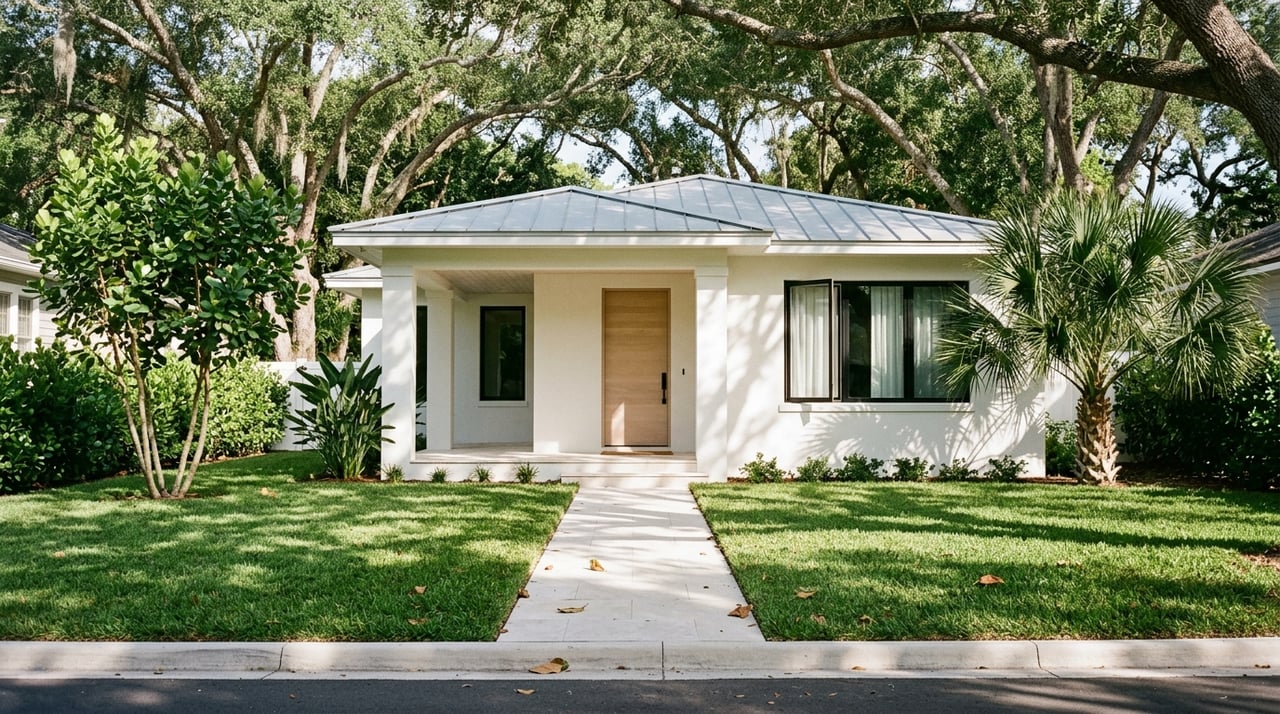
The City of Miami’s preservation framework for Coconut Grove emphasizes the area’s historic, heavily landscaped character, tree canopy, green space, and architectural variety. That means the residential streets are not just functional. They are a big part of the lifestyle.
You may notice wood-frame homes, porches, and smaller-scale streets that feel more shaded and intimate than many other parts of Miami. Miami’s Historic Preservation office notes that South Florida bungalows are often one- or one-and-one-half-story wood-frame homes with porches, which helps explain part of the Grove’s visual charm.
If you want to explore without constantly moving your car, there are practical options. The City of Miami says the Coconut Grove trolley route connects parks, shopping areas, and City Hall.
The BID’s all-electric Circuit shuttle links destinations such as Peacock Park, CocoWalk, Regatta Harbour, and the Grove Metrorail Station. That makes it easier to enjoy the neighborhood at a relaxed pace, especially during a busy weekend.
One of the best things about Coconut Grove is how easily the weekend circles back to Biscayne Bay. You can spend the afternoon inland and still finish the day with a waterfront view.
That evening rhythm is part of the neighborhood’s appeal. A simple formula works well here: morning by the bay, lunch on a patio, an afternoon walk through the village, and an evening near the water.
For many people, that pattern is more than a fun day out. It is also a preview of what living in Coconut Grove can feel like week after week.
If you are thinking about buying in Coconut Grove, this land-and-sea balance helps explain why the neighborhood appeals to different types of buyers. Some want a home near the bay and marinas, while others are drawn to the village atmosphere, shade, and walkable dining.
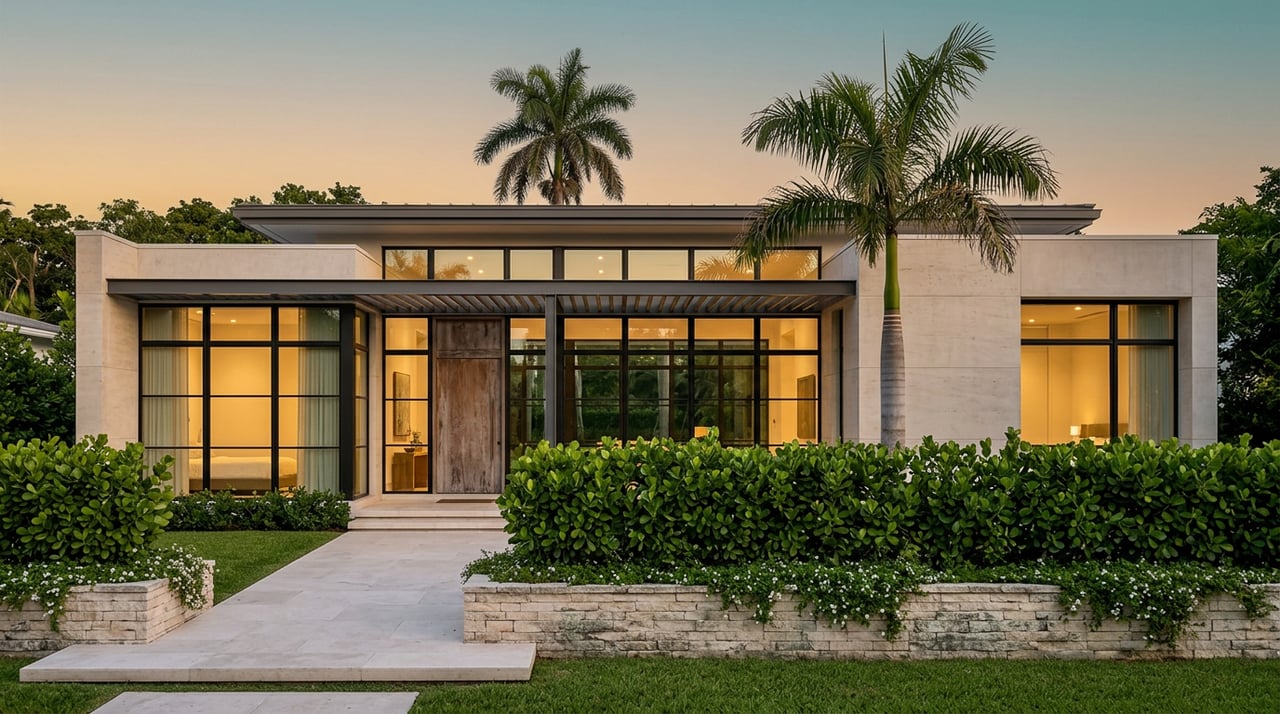
The housing story here is about contrast. On one side, you have historic homes and bungalows tied to the Grove’s older residential fabric. On the other, you have newer luxury residential projects such as OPUS, Four Seasons Private Residences Coconut Grove, and Mr. C Residences Coconut Grove that point to a more modern, low-maintenance option in the neighborhood.
If you love character, Coconut Grove offers a residential experience shaped by architecture, greenery, and established streets. The city’s conservation focus supports the preservation of tree canopy, green space, and architectural variety, which helps maintain the neighborhood’s distinct identity.
That can appeal to buyers who want a home that feels rooted in place rather than interchangeable. In practical terms, it often means older homes, generous landscaping, and a quieter streetscape.
For buyers who prefer a lock-and-leave lifestyle, the Grove also includes newer luxury condominium residences. These homes can offer a different kind of convenience while still placing you close to parks, dining, and the bay.
That range is one reason Coconut Grove continues to attract both local and relocation buyers. You can look for historic charm, modern design, or a mix of both within the same neighborhood.
If you own a home or condo in Coconut Grove, the neighborhood’s lifestyle is a major part of its market appeal. Buyers are not just comparing square footage. They are also responding to how the Grove lives day to day.
A home near bayfront parks, marinas, outdoor dining, and the village core can tell a strong lifestyle story when marketed well. For sellers, that means preparation, timing, and presentation matter, especially in a neighborhood where character and setting play such an important role.
If you are considering a move in Coconut Grove, or you want to position your home for the right buyer, working with a local expert can make the process smoother and more strategic. For tailored guidance on buying or selling in the Grove, request a concierge consultation with Melva Garcia.
September 17, 2026

September 10, 2026
September 3, 2026
August 27, 2026
August 20, 2026
August 13, 2026
August 6, 2026
August 6, 2026
July 23, 2026
With years of combined knowledge in every aspect of the real estate industry – from negotiation and financing to selling and purchasing – Melva Garcia works to make the sale or purchase transaction a seamless and smooth experience.
MELVA GARCIA
[email protected]
(305) 491-4437
2550 S Bayshore Drive #106 Coconut Grove FL 33133 1515 Sunset Drive Suite 40 Miami FL 33143