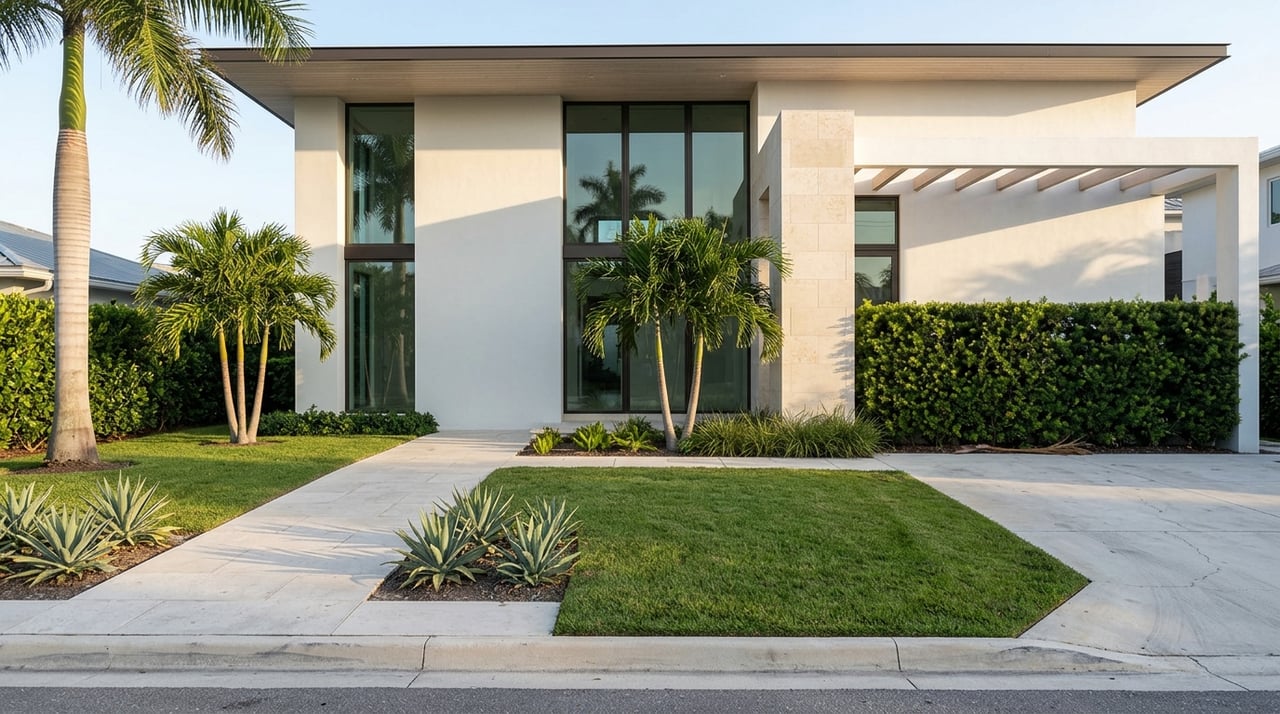
Relocating to Miami Neighborhoods: How to Choose Well
June 25, 2026
June 25, 2026
Thinking about moving to Miami? The hardest part usually is not deciding whether to make the move. It is figuring out where you will actually feel at home in a city made up of very different neighborhood types. If you are relocating to Miami, this guide will help you compare lifestyle, housing, mobility, and market conditions so you can narrow your search with more confidence. Let’s dive in.
Miami is easier to understand when you stop treating it like one single housing market. In practice, it works more like a collection of distinct submarkets, each with its own pace, property types, and daily lifestyle.
That matters when you are relocating. A high-rise condo in Brickell offers a very different experience from a single-family home in Pinecrest or a historic property in Coconut Grove. The right neighborhood is not just about price. It is about how you want to live every day.
Before you compare specific homes, start with the basics of your routine. In Miami, your neighborhood choice often becomes your lifestyle choice.
Ask yourself a few practical questions first:
When you answer those questions early, your search gets much more focused. Instead of comparing every corner of Miami-Dade, you can narrow your list to two or three neighborhood types that actually fit your life.
If you want a vertical, urban lifestyle, Brickell and Downtown usually rise to the top. This part of Miami is the city’s core for finance, commerce, culture, trade, and tourism, with modern towers and a strong mix of office, retail, and residential buildings.
For many relocators, the biggest advantage is mobility. Metromover serves Downtown, Omni, and Brickell, and Metrorail connections make commuting easier. The Underline also adds walking and biking routes, which supports a more compact, car-light routine.
This area tends to make the most sense if you want:
The trade-off is that ownership here is often more building-centered. You may gain convenience and access, but you are also choosing more density and less of a yard-and-driveway lifestyle.
Coconut Grove appeals to buyers who want a more village-like setting. The neighborhood is closely tied to preserving its historic, physical, and social character, along with tree canopy, walkability, and access to the water.
For your day-to-day life, that often translates into a mix of older homes, lower-rise housing, parks, marinas, and a relaxed street feel. City planning materials point to places like Dinner Key, Peacock Park, and Kennedy Park as part of the Grove’s waterfront heart, and Dinner Key Marina adds another layer for buyers who value marina access.
Transit is also stronger here than many people expect. The City of Miami trolley serves the historic Coconut Grove area and connects to Coconut Grove and Douglas Road Metrorail stations.
Coconut Grove may be a strong fit if you want:
Because much of the housing stock is not high-density, inventory can feel more limited than in condo-heavy areas. That makes clarity on your priorities especially important.
Coral Gables offers a more formal and polished feel. Known as a City Beautiful and Garden City, it is defined by lush avenues, a strong historic identity, and cohesive architecture shaped in part by its zoning and Mediterranean design standards.
For relocators, one of the biggest advantages is balance. You can find classic single-family homes, historic thematic villages, and also downtown condos and mixed-use buildings. That gives you more variety than some buyers expect.
Downtown Coral Gables is also designed to support pedestrian activity. Miracle Mile improvements, widened sidewalks, landscaping, and a curbless street all reinforce a more walkable core. The free Coral Gables trolley connects Douglas Metrorail Station with other city destinations and links into the broader transit network.
Coral Gables often works well if you want:
Compared with Brickell, Coral Gables often feels less vertical and less fast-paced. Compared with Pinecrest, it typically offers a more active town-center environment.
Pinecrest is usually one of the top choices for buyers who prioritize space. The village describes itself as mostly single-family homes, with limited commercial businesses and no industrial properties or tourism revenue. It is known for a residential setting with tree-lined streets and larger lots.
This is the most suburban option among the neighborhoods commonly compared by relocators in this part of Miami-Dade. Pinecrest has been investing in mobility and public services, but the village has also noted that it started with limited infrastructure and few sidewalks.
That means Pinecrest is generally a better match if your priorities include:
Pinecrest still has local transportation tools. Freebee offers on-demand rides around village destinations and connections to the South Dade Transitway and Metrorail station, and the Pinecrest People Mover helps connect neighborhoods and Metrobus transfers.
If you are relocating from a dense city and want more room, Pinecrest can feel like a major lifestyle shift. It is less about walking to errands and more about enjoying a lower-density residential environment.
If living near the water is non-negotiable, Miami Beach deserves a close look. The city includes South Beach, Mid-Beach, and North Beach, and those areas do not all feel the same.
South Beach is the most amenity-dense and highly walkable section. The city’s trolley connects a long list of destinations, including grocery stores, pharmacies, parks, marinas, museums, Lincoln Road Mall, and City Hall. That makes it attractive if you want beach access plus a strong daily convenience factor.
Miami Beach also includes more variety than many relocators assume. South Beach is the Art Deco core, while North Beach is associated with MiMo architecture and includes more residential and single-family pockets.
Miami Beach can be a strong fit if you want:
The practical trade-offs matter here. Parking, condo living logistics, and congestion play a bigger role than in many other Miami neighborhoods. The city operates extensive parking infrastructure and residential permit zones, which tells you how important parking management is to everyday life on the beach.
Relocating is easier when you match your search strategy to the current market. In March 2026, Miami-Dade single-family homes had a median sale price of $674,000, 5.7 months of supply, and a 50-day median time to contract. Condos and townhouses had a median sale price of $445,000, 13.0 months of supply, and a 72-day median time to contract.
For you as a buyer, that split matters. Condo-heavy neighborhoods like Brickell, Downtown, and much of Miami Beach often offer more selection and a longer decision window. Detached-home areas like Pinecrest, Coral Gables, and much of Coconut Grove may require a tighter search because the inventory is structurally smaller.
That does not mean one option is better than another. It simply means your approach should change depending on the neighborhood and property type you want.
When you are moving from out of town, too many choices can slow you down. A simple framework can make the process much easier.
Start by deciding whether you want a transit-first, car-light, or car-dependent lifestyle. This single question can quickly separate Brickell and Downtown from Pinecrest, for example.
Decide whether you want a high-rise condo, a historic home, a detached single-family home, or a beach property. In Miami, housing form is one of the most useful first filters.
Think about what needs to be close by every week. That could mean restaurants and retail, parks and marinas, transit stations, or beach access.
Some neighborhoods come with more day-to-day logistics than others. Depending on the area and property, that may include HOA rules, preservation requirements, parking considerations, or building management issues.
Before comparing individual homes, shortlist neighborhoods that match the same overall lifestyle pattern. This is often more effective than comparing one condo in Brickell to one house in Pinecrest and one property in Miami Beach all at once.
There is no single best neighborhood for every relocator. The right choice depends on how you want to move through your day, what type of home you want, and how much convenience, space, or density feels comfortable to you.
If you want urban energy and transit access, Brickell or Downtown may fit. If you want character and waterfront access, Coconut Grove may feel right. If you want architecture and a polished, walkable core, Coral Gables stands out. If you want space and privacy, Pinecrest is often a top contender. If you want beach living, Miami Beach may be the obvious place to start.
When you relocate with a clear framework, the search becomes less overwhelming and much more strategic. If you want help narrowing the right neighborhood shortlist for your move, Melva Garcia offers local guidance, full-service buyer representation, and the kind of market insight that can help you move forward with confidence.
August 20, 2026
August 13, 2026
August 6, 2026
August 6, 2026
July 23, 2026
July 16, 2026
July 9, 2026
July 2, 2026
June 25, 2026
With years of combined knowledge in every aspect of the real estate industry – from negotiation and financing to selling and purchasing – Melva Garcia works to make the sale or purchase transaction a seamless and smooth experience.

MELVA GARCIA
[email protected]
(305) 491-4437
2550 S Bayshore Drive #106 Coconut Grove FL 33133 1515 Sunset Drive Suite 40 Miami FL 33143